
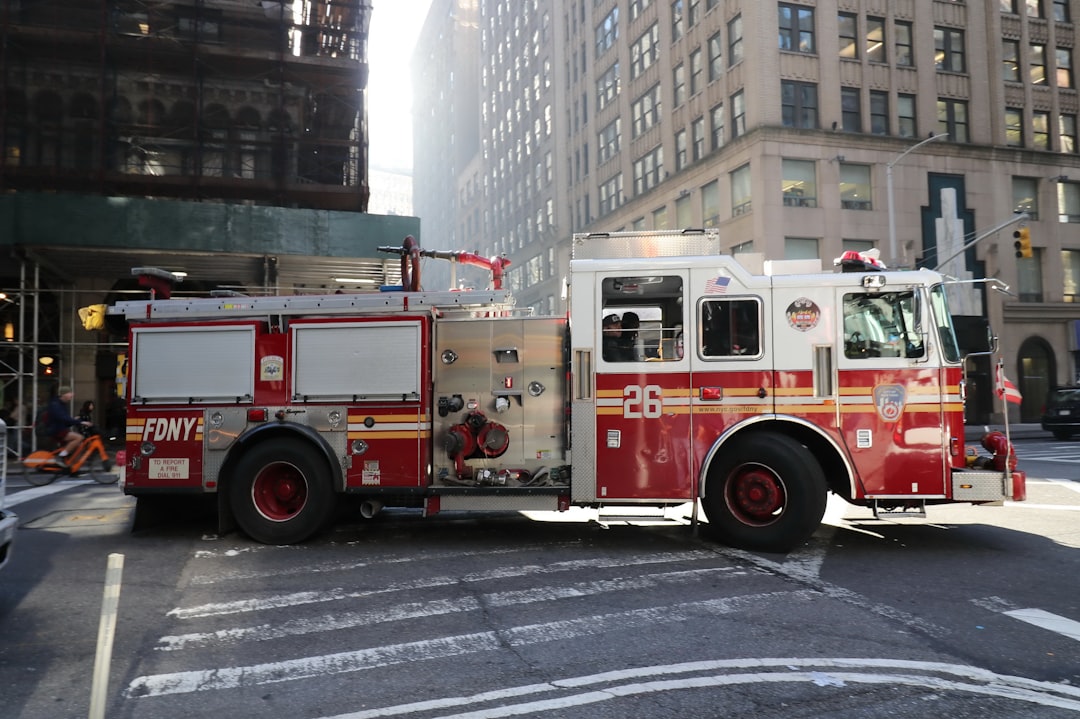

When it comes to fire damage restoration, every minute counts. Effective dispatch software can be the difference between restoring a property quickly and efficiently, or struggling to keep up with the demands of a disaster. In this guide, we’ll explore the key considerations for fire damage restoration dispatch software, helping you make an informed decision for your business.
1. Understanding Your Needs
Before starting your search for dispatch software, it’s essential to understand the specific needs of your fire damage restoration company. Consider the size of your team, the types of services you offer, and the geographic area you serve. This will help you narrow down your options and focus on software that meets your unique requirements.
For example, if you have a large team with multiple technicians and vehicles, you’ll need software that can handle complex scheduling and routing. On the other hand, if you’re a smaller company with a limited service area, you may prioritize ease of use and affordability.
It’s also important to consider the types of dispatch software available, including cloud-based, on-premise, and hybrid solutions. Cloud-based software offers the benefits of scalability and accessibility, while on-premise software provides more control over data and security.
2. Key Features of Fire Damage Restoration Dispatch Software
When evaluating dispatch software for your fire damage restoration company, there are several key features to look for. These include:
- Real-time scheduling and routing to ensure technicians arrive on time and take the most efficient route
- Automated dispatch to streamline the process and reduce manual errors
- Mobile access for technicians to receive updates and report on job status
- Integration with other systems, such as accounting and customer relationship management software
These features can help you optimize your operations, improve communication with customers and technicians, and increase overall efficiency.
3. Benefits of Implementing Fire Damage Restoration Dispatch Software
Implementing dispatch software can have a significant impact on your fire damage restoration company. Some of the benefits include:
Improved response times, increased customer satisfaction, and enhanced reputation. By streamlining your dispatch process, you can ensure that technicians arrive on time and provide high-quality service, leading to increased customer satisfaction and loyalty.
In addition, dispatch software can help you reduce costs by optimizing routes and schedules, minimizing fuel consumption and reducing the need for overtime.
4. Choosing the Right Fire Damage Restoration Dispatch Software
With so many options available, choosing the right dispatch software for your fire damage restoration company can be overwhelming. Here are some factors to consider:
Scalability, ease of use, and affordability. You’ll want software that can grow with your business, is easy for technicians and dispatchers to use, and fits within your budget.
It’s also important to consider the level of support and training provided by the software vendor. Look for a vendor that offers comprehensive training and support to ensure a smooth transition and ongoing success.
5. Implementing Fire Damage Restoration Dispatch Software
Once you’ve selected the right dispatch software for your fire damage restoration company, it’s time to implement it. This involves:
Configuring the software to meet your specific needs, training technicians and dispatchers, and testing the system to ensure it’s working as expected.
It’s also important to establish clear processes and procedures for using the software, including protocols for scheduling, routing, and communication.
6. Common Challenges and Solutions
When implementing dispatch software, you may encounter some common challenges. These include:
Resistance to change from technicians and dispatchers, technical issues with the software, and difficulty integrating with other systems.
To overcome these challenges, it’s essential to provide comprehensive training and support, work closely with the software vendor to resolve technical issues, and prioritize integration with other systems.
7. Best Practices for Using Fire Damage Restoration Dispatch Software
To get the most out of your dispatch software, follow these best practices:
Regularly review and update your scheduling and routing processes, use data and analytics to optimize operations, and continually evaluate and improve your use of the software.
| Software | Features | Pricing |
|---|---|---|
| Software A | Real-time scheduling, automated dispatch, mobile access | $50/month |
| Software B | Integration with other systems, customizable reporting, scalable | $100/month |
8. Frequently Asked Questions
- Q: What is fire damage restoration dispatch software?
A: Fire damage restoration dispatch software is a type of software designed to help fire damage restoration companies manage their dispatch process, including scheduling, routing, and communication. - Q: How much does fire damage restoration dispatch software cost?
A: The cost of fire damage restoration dispatch software varies depending on the vendor, features, and pricing model. Expect to pay between $50 and $200 per month. - Q: What are the benefits of using fire damage restoration dispatch software?
A: The benefits of using fire damage restoration dispatch software include improved response times, increased customer satisfaction, and enhanced reputation. - Q: How do I choose the right fire damage restoration dispatch software for my company?
A: To choose the right fire damage restoration dispatch software, consider your specific needs, including the size of your team, types of services offered, and geographic area served. - Q: What kind of support and training is typically provided with fire damage restoration dispatch software?
A: Most software vendors provide comprehensive training and support, including online tutorials, phone support, and on-site training.
In conclusion, fire damage restoration dispatch software is a critical tool for any fire damage restoration company looking to optimize their operations, improve customer satisfaction, and increase efficiency. By understanding your needs, evaluating key features, and following best practices, you can make an informed decision and get the most out of your dispatch software. Take the first step today and start streamlining your dispatch process with the right software for your business.